
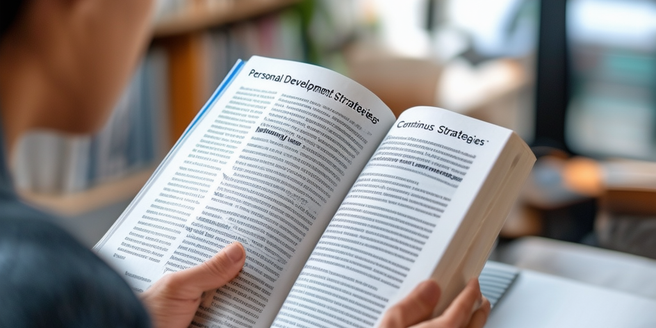
Understanding the Importance of Personal Development
Personal development is not only a crucial practice for any professional, but it also helps sharpen skills and competencies essential for success. This self-conducted development process not only shapes professional aptitude but also fosters personal abilities. It promotes self-awareness and self-belief, increasing self-confidence, job satisfaction, and resulting in a more motivated and dedicated workforce.
From a relationship standpoint, personal development improves one’s interaction with peers and fosters better interpersonal relationships. Committed professionals often exhibit superior performance on tasks and in team situations. This practice equips them with resilience and adaptability, crucial traits for surviving and thriving in a rapidly changing professional landscape.
In essence, a personal development process is not merely beneficial but essential for professionals aspiring for excellence. This transformative process builds on their current knowledge and expertise, leading to sharpened skills and an expanded mindset. It also prepares them to handle unexpected challenges gracefully, fosters continuous evolution, and keeps them relevant in their changing professional landscape.
Top Personal Development Trends in 2023
Throughout 2023, various trends in personal development for working professionals have been more pronounced. Professionals are using a self-paced approach to acquire new skills and improve mindfulness techniques, contributing to their career and personal growth. A noteworthy trend is the use of online learning platforms, allowing professionals to learn at their comfort and pace, gaining practical knowledge for their work. Mindfulness and wellbeing practices are also gaining popularity, helping professionals maintain a healthy work-life balance, improve productivity and job satisfaction. Professionals have also increased focus on feedback and continuous learning for personal growth, understanding their strengths, areas needing improvement, and staying updated with industry trends. In conclusion, 2022’s professionals are proactive in their personal development, using online platforms to expand their skillsets, implementing mindfulness for work-life balance, emphasizing feedback, and promoting continuous learning, indicating a positive shift towards personal development and flexible learning in the professional world.
Implementing Personal Development Strategies into the Professional Realm
Utilizing personal development strategies in the professional world is beneficial. The immense potential for progress and improvement in this area can transform professionals. Strategies can include structured learning programs, feedback mechanisms, and mentoring systems, all of which are crucial to professional personal development. For example, structured learning programs enhance skills and knowledge, feedback mechanisms stimulate continuous growth through performance communication, and mentoring systems offer support and guidance.
Moreover, creating a supportive work environment that encourages growth is crucial to enhancing job satisfaction and high employee retention rates. As it is said, ‘growth and comfort do not coexist,’ so a work environment promoting growth results in higher job satisfaction. Such environments also improve employee retention as growth increases employee commitment, reducing turnover.
Emphasizing personal development within the professional realm cultivates highly adaptable and competent professionals. When employees are encouraged to diversify their skills within the organization, they become equipped to handle various challenges, increasing adaptability in rapidly changing business environments. Simultaneously, continual development broadens individuals’ skills, making them more proficient. Therefore, integrating personal progress into the professional world aids in creating well-rounded professionals prepared for any situation.
Case Studies of Successful Personal Development Among Professionals
Over the years, countless case studies have illuminated the measurable success of personal development strategies among professionals. From varied fields and worldwide corporations, these compelling success stories highlight individuals who have effectively utilized personal development strategies to supercharge their career growth. These strategies span a wide range of approaches, with an emphasis on continuous learning initiatives, employing a never-ending process of knowledge acquisition to keep up with industry trends and technologies.
Effective feedback utilization is another common strategy seen among these success narratives. These professionals view feedback as a tool for growth, rather than a critique, and routinely seek it to better identify skills’ gaps and improvement opportunities. This leads to an improvement in their work standards and effectiveness in their roles.
Other case studies decisively underline the profound and long-lasting impact of personal development on professional success; emphasizing how investments in self-improvement can yield significant returns in career progress. In essence, personal development is not merely a path to professional success but a transformative process that enhances life experience. The compelling stories of professionals using personal development strategies to advance their careers serve as motivation and a blueprint for others.
Future Projections: Where is Personal Development for Professionals Heading?
Venturing into the future, it’s expected that personal development for professionals will increasingly focus on characteristics such as flexibility, adaptability, and balance, reflecting a shift in what defines a successful professional in a progressively globalized world undergoing a swift digital revolution. This evolution demands a more comprehensive range of skills including forecasting future scenarios, understanding digital tools, and nurturing emotional intelligence. Scenario planning, a crucial skill, helps anticipate possible future situations and creates effective strategies within different contexts. Similarly, digital literacy is essential as work processes become more digitalized, providing professionals the ability to adapt quickly. Emotional intelligence, too, is gaining significance, enhancing teamwork, leadership, and conflict resolution as machines overtake routine tasks. In conclusion, it’s anticipated that these three areas will be key focal points for future personal development, signaling an acknowledgment of the evolving work landscape and the importance of staying adaptable.