
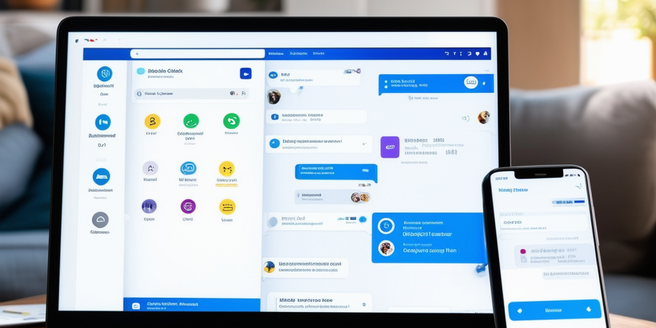
Understanding the Basics of IT Support for Remote Teams
Understanding the basics of IT support for remote teams is crucial in today’s digital age. Effective remote IT support ensures seamless operations and addresses any technical issues that may arise. Key components include robust communication tools, reliable internet connections, and secure access to resources. Remote work has become an essential aspect of many business models, making IT support even more vital. A well-trained IT team can greatly contribute to the success of remote support efforts. Additionally, establishing clear protocols for troubleshooting and resolving issues quickly can minimize downtime. By understanding these fundamentals, organizations can create a productive remote work environment that supports employees and enhances overall efficiency.
Essential Tools and Software for Remote IT Support
Equipping your remote IT support team with the right tools and software is essential for success. Key tools include remote desktop software, collaboration platforms like Slack or Microsoft Teams, and robust cybersecurity solutions. Additionally, helpdesk software to manage support tickets and track issues is vital. Cloud-based solutions ensure accessibility and flexibility. Regular training on these tools can further boost the team’s efficiency. Regularly updating and maintaining these tools is just as important to keep up with evolving technology. These tools not only enhance communication and collaboration but also streamline the support process, enabling IT teams to respond quickly to technical issues and maintain productivity in a remote setting.
Best Practices for Managing Remote IT Support Requests
Managing remote IT support requests efficiently requires best practices that prioritize clear communication and organization. Implementing a centralized ticketing system helps track and manage issues systematically. Establishing response time expectations and prioritizing requests based on urgency ensures that critical issues are addressed promptly. Regularly updating and communicating with users about the status of their requests fosters transparency. Providing training to IT staff on effective remote support methods can enhance the quality of service. Additionally, leveraging remote access tools can expedite troubleshooting and resolution, providing timely support to remote employees while maintaining a high level of service.
Ensuring Cybersecurity for Remote Work Environments
Ensuring cybersecurity for remote work environments is paramount in protecting sensitive data and maintaining business integrity. Implementing multi-factor authentication (MFA) and using virtual private networks (VPNs) can safeguard access to company resources. Regularly updating software and educating employees on phishing and other cyber threats enhance defenses. Enforcing strict password policies and conducting periodic security audits help identify vulnerabilities. Investing time and resources in employee training is crucial for maintaining a security-aware culture. It’s equally important to have a response plan in place in case a cyber attack does occur. By prioritizing cybersecurity measures, organizations can mitigate risks and ensure a safe and secure remote work environment.
Training and Development for Remote IT Support Staff
Ongoing training and development for remote IT support staff is essential in keeping up with evolving technologies and best practices. Offering regular training sessions on new tools, security protocols, and troubleshooting techniques ensures that the team remains proficient and effective. Consequently, it is vital to allocate time regularly for these training sessions to ensure they are comprehensive. Encouraging participation in online courses and certifications can also enhance skills and knowledge. Providing opportunities for professional development not only improves performance but also boosts morale and job satisfaction, leading to a more competent and motivated IT support team.
Future Trends in IT Support for Remote Teams
The future of IT support for remote teams is continually evolving, with trends focusing on automation, artificial intelligence (AI), and advanced cybersecurity measures. Automation tools can streamline routine tasks, allowing IT staff to focus on more complex issues. AI-driven solutions can provide predictive analytics and proactive support, addressing potential issues before they arise. Enhanced cybersecurity protocols will be crucial in protecting remote networks from sophisticated threats. Furthermore, investing in continuous employee training will help teams stay prepared for emerging challenges. Staying ahead of these trends will enable organizations to provide efficient and effective IT support, adapting to the dynamic remote work landscape.