
Understanding the Impact of Environment on Stress
The environment we work in plays a crucial role in our overall stress levels. An office that lacks natural light, is poorly ventilated, or is designed with distracting colors can heighten stress responses. Conversely, a well-designed environment that incorporates elements such as appropriate lighting, comfortable furniture, and natural elements like plants can significantly reduce stress. Understanding how surroundings affect our mental and physical states is essential in creating spaces that support productivity and well-being. By acknowledging the subtle cues our environment sends to our brains, we can adjust these elements to foster tranquility and focus. It’s important for businesses to invest in environment-altering strategies that prioritize mental health, as a stress-free workplace leads to a happier, more efficient workforce.
Key Elements of Stress-Free Environmental Design
Creating a stress-free work environment requires careful consideration of several factors. First and foremost is ergonomics, ensuring that furniture supports comfortable and correct postures for prolonged periods. Noise levels need management as well—soundproofing spaces or providing quiet areas can help maintain focus. Another important aspect is thermal comfort, which involves maintaining an optimal temperature that neither distracts nor discomforts employees. The layout should encourage movement, incorporating spaces where employees can relax or collaborate informally. Aesthetic elements like pleasing art and color schemes that promote calmness can also enhance the workspace. These factors collectively contribute to reducing stress, improving work quality, and promoting well-being. Thus, each element must be thoughtfully incorporated to craft a cohesive and supportive work environment.
Lighting Choices that Promote Calm and Focus
Lighting is one of the most significant contributors to workplace stress levels. Natural light is ideal for promoting a calm and alert state of mind, as it aligns with our natural circadian rhythms. When natural light is limited, artificial lighting solutions should mimic it, providing bright, glare-free illumination to maintain concentration without causing strain. Adjustable lighting options allow employees to personalize their workspace illumination according to their needs, enhancing focus and comfort. Avoiding harsh fluorescent lights, which can lead to headaches and eye strain, is crucial. Instead, opt for warm-toned LEDs that create a cozy atmosphere while still ensuring clear visibility. Good lighting design not only reduces stress but also improves mood and efficiency, making it an essential aspect of any stress-free work environment.
Incorporating Nature and Green Spaces at Work
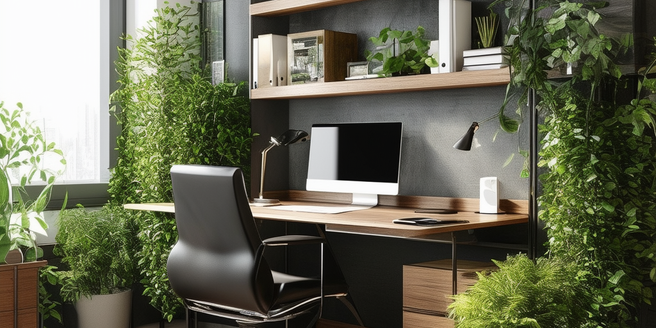
Incorporating elements of nature, such as plants or green walls, into the workplace has been shown to reduce stress and increase productivity. The presence of greenery offers a soothing visual experience, tapping into our innate affinity for nature, known as biophilia. Natural elements can improve air quality, reducing pollutants and fostering a healthier work environment. Outdoor spaces or indoor gardens provide employees with areas to relax and rejuvenate, which can be invigorating during breaks. Additionally, the use of natural materials in office design, such as wood and stone, can create a calming atmosphere. Integrating nature not only enhances aesthetic appeal but also supports mental well-being, ensuring that employees feel connected to the world beyond and less burdened by stress.
Color Psychology: Choosing Relaxing Palettes
The psychological effects of color are profound, as colors can subconsciously influence mood and behavior. In creating stress-free work environments, choosing the right color palettes is crucial. Soft, muted tones like blues and greens are known for their calming effects and ability to promote focus, making them ideal for workspaces. Cool colors tend to lower heart rates and reduce stress, while warm colors can invigorate but may also cause agitation if overused. Neutral tones such as whites, beiges, and grays provide a balanced backdrop that enables employees to personalize their spaces. Incorporating accent colors that inspire comfort and creativity can also be beneficial, ensuring a workspace that fosters both relaxation and productivity. Thus, thoughtful color choices can significantly tone down stress levels in a work setting.
Creating Personalized and Adaptive Workspaces
Personalized and adaptive workspaces allow employees to tailor their environment to suit their individual needs, leading to reduced stress and increased productivity. Providing adjustable furniture, such as sit-stand desks, enables workers to switch positions, promoting physical health and comfort. Flexible spaces that can be reconfigured for quiet concentration or collaborative meetings support diverse work styles. Additionally, offering options for personalizing areas with personal items or choosing preferred lighting can enhance employees’ sense of ownership and control. By empowering employees to shape their work environment, companies can address unique stressors and preferences. This adaptability not only improves job satisfaction but also encourages a sense of belonging and well-being, making personalization a key component of stress-free workplace design.