
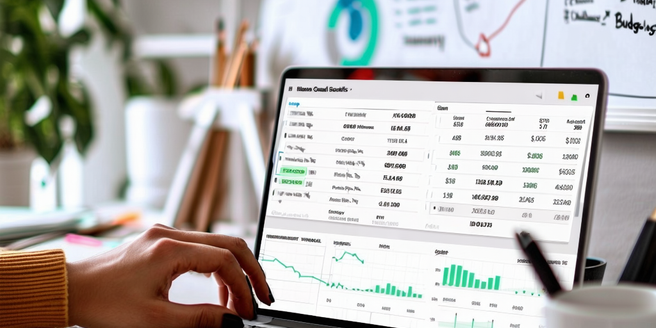
Assess Your Current Spending Habits
Begin by evaluating your current spending patterns to identify areas where you might be overspending. This involves tracking your expenses over a typical month, categorizing them into needs and wants, and determining if there are certain areas you can cut back on. Consider using budgeting apps or spreadsheets to maintain a clearer picture of your financial situation. Focus on recurring expenses such as subscriptions and memberships that may no longer serve you. Analyzing your spending habits not only highlights unnecessary expenses but also helps in setting realistic financial goals. Prioritize needs over discretionary spending and direct your savings towards future family needs or emergencies. Making small adjustments, like reducing dining out or entertainment costs, can accumulate significant savings over time, contributing to a healthier financial lifestyle.
Plan and Prepare Family Meals at Home
Saving money on food expenses starts in the kitchen. By planning and preparing meals at home, families can significantly cut costs compared to dining out. Begin by scheduling meals for the week and creating a corresponding grocery list, which helps prevent impulsive purchases. Opt for seasonal produce and store brands to stretch your budget further. Consider preparing meals in batches and freezing portions for easy access during busy days, reducing the temptation for convenience food orders. Introducing theme nights, like ‘Taco Tuesday’ or ‘Pasta Thursday,’ can make mealtime fun and predictable for children. Cooking at home not only fosters a healthier lifestyle but also strengthens family bonds by involving members in the cooking process. Monetary savings, coupled with the benefits of nutritious homemade meals, underscore the value of eating at home.
Embrace Energy-Saving Practices
Reducing energy consumption is a straightforward approach to lower household expenses while also benefiting the environment. Start by identifying energy-heavy appliances and behaviors within your home. Simple steps like switching to LED bulbs, unplugging devices when not in use, and using programmable thermostats can yield immediate savings on utility bills. Encourage family members to be mindful of energy use, such as turning off lights and reducing water usage. Additionally, consider scheduling energy-intensive tasks like laundry or dishwashing during off-peak hours. Proper insulation and sealing of windows and doors will ensure more efficient temperature regulation in your home, further lowering heating and cooling costs. By instilling energy-saving habits, not only is there a reduction in household bills, but it also fosters an environmentally conscious mindset in the family.
Opt for Budget-Friendly Family Activities
Family entertainment doesn’t have to come at a high cost. Numerous affordable activities can bring joy and strengthen family connections without exceeding your budget. Explore local parks and nature trails for free outdoor adventures, or organize family game nights, which offer fun at a minimal cost. Many communities host free events, such as music festivals or movie nights in the park, providing entertainment options that won’t strain your finances. If weather permits, consider camping in the backyard or a nearby campsite to provide a memorable experience. Libraries often offer free resources, including books, movies, and workshops suitable for all ages. Embrace creativity by encouraging kids to engage in DIY crafts with household items. By prioritizing low-cost activities, families can maintain an active and enjoyable lifestyle without financial stress.
Implement Smart Shopping Strategies
Shopping wisely is key to maintaining a balanced budget. Begin by understanding the difference between needs and wants to avoid impulsive purchases. Use price comparison tools and apps to ensure you’re getting the best deals, and look out for coupons or discounts when planning purchases. Buying in bulk can offer savings, especially for non-perishable goods and household essentials. Consider joining loyalty programs at stores you frequent to benefit from member-only discounts or points that can be redeemed for future savings. Shopping online can also yield lower prices, but remember to factor in shipping costs to determine the real value. Plan ahead for seasonal sales or clearance events to stock up on necessary items at reduced prices. Smart shopping isn’t just about savings, it’s about making informed choices that fit long-term financial goals.