
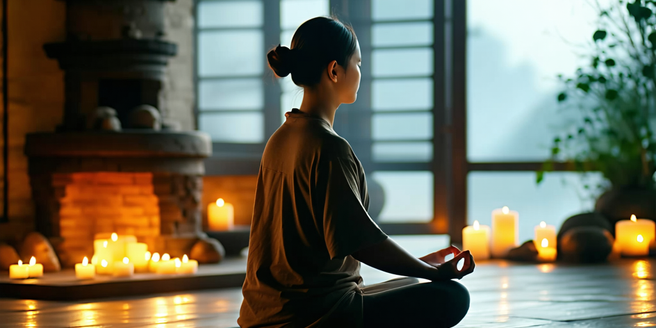
Understanding Meditation in a Fast-Paced World
Meditation offers a solace even in our busiest moments, providing an anchor in the chaos of daily life. It cultivates an inner calm and clarity that transcends the whirlwind of responsibilities and distractions. In a world where we are constantly bombarded with information and pressures, meditation allows us to pause and reconnect with our true self. Surprisingly, even a few minutes of deep breathing can significantly alter our outlook for the better. This practice fosters emotional resilience and enhances our ability to cope with stress. By integrating meditation into your routine, you can better manage your energy and attention, leading to improved productivity and overall well-being. Meditation reminds us that amidst the fast pace, we have the power to create moments of quiet and introspection.
The Science-Backed Advantages of Meditation
The benefits of meditation are well-documented, with research consistently demonstrating its positive impact on both mental and physical health. Studies have shown that regular meditation practice can reduce stress, anxiety, and depression while enhancing memory, focus, and emotional regulation. Many practitioners also report a heightened sense of self-awareness and mindfulness in their daily lives. Meditation activates the parasympathetic nervous system, resulting in lower blood pressure, improved immune function, and better quality sleep. Neuroimaging research reveals that meditation can increase gray matter density in brain regions associated with learning, memory, and emotional regulation. In essence, meditation not only promotes relaxation but also fundamentally alters the brain, leading to sustained benefits for emotional and physical well-being.
Simple Meditation Techniques for Daily Practice
Incorporating meditation into daily life need not be daunting. Start with short sessions, gradually increasing duration as comfort grows. One straightforward technique is mindful breathing—simply focusing on your breath as you inhale and exhale, noticing the sensations and rhythm. Body scan meditation involves mentally scanning yourself from head to toe, fostering awareness and relaxation. Experimenting with different techniques can help you find what resonates best with your mind and body. For those who prefer a guided approach, numerous apps and online resources offer meditation sessions suitable for various levels. The key is consistency. Allocating just a few minutes each day to meditation can make a profound difference in your mental clarity and emotional resilience.
Overcoming Common Meditation Challenges
Meditation can be challenging, especially when starting. Common obstacles include restlessness, excessive thinking, and doubt about its effectiveness. To overcome restlessness, try shorter sessions, gradually increasing duration. Manage racing thoughts by gently refocusing on your breath each time you notice distraction. It might also be beneficial to experiment with different meditation techniques to find what suits you best. It can be helpful to seek guidance or join a meditation group for support and motivation. Doubts about meditation’s benefits often arise from misconceptions; know that meditation is not about emptying your mind but finding peace amidst noise. Remember, meditation is a practice, not a performance—perfection is not the goal. Embrace patience and persistence, recognizing that each meditation session is a step toward greater self-awareness and calm.
Integrating Mindfulness into a Hectic Lifestyle
Mindfulness can be seamlessly woven into daily life without requiring drastic changes. Begin by identifying everyday activities that can be done mindfully, such as eating, walking, or even commuting. During these moments, focus entirely on the experience, paying attention to physical sensations and surroundings. Setting aside brief moments for mindful breathing or reflection can anchor your day amidst chaos. Practicing mindfulness not only reduces stress but also fosters emotional resilience in challenging situations. Technology can assist—consider using mindfulness apps to remind you to pause and breathe. Even a short pause can create a profound impact on your overall well-being. Over time, this mindful approach cultivates a more present and attentive state of being, enhancing your engagement and satisfaction with life’s experiences.