
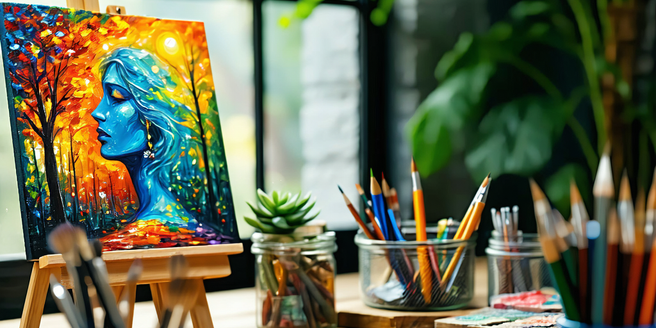
Exploring Art Therapy for Emotional Expression
Art therapy provides a unique channel for expressing emotions that might be difficult to articulate through words alone. Engaging with different materials and creative processes allows individuals to explore and convey feelings in a non-verbal manner, facilitating the release of pent-up emotions. This form of therapy offers a safe space to experiment with self-expression while gaining insights into one’s emotional landscape. Art therapists guide participants through activities that encourage introspection and healing, enhancing emotional resilience. Whether through painting, drawing, or sculpture, art therapy serves as a powerful tool for emotional release and mental well-being. Participants often experience a sense of accomplishment, which boosts self-esteem and encourages further exploration of their emotional narratives.
The Role of Music in Enhancing Mood and Focus
Music has profound effects on our psychological state, known to elevate mood and improve mental focus. Listening to music can stimulate the release of dopamine, a neurotransmitter associated with pleasure and reward. This chemical reaction not only enhances mood but also assists in maintaining concentration during tasks. Music therapy uses rhythm and melody to foster emotional expression and relaxation. By choosing specific genres or pieces, individuals can tailor their listening experiences to suit their emotional needs. Creating or playing music also provides an immersive experience that can function as a meditative practice, helping to reduce anxiety and promote mental clarity.
Writing as a Tool for Personal Reflection and Growth
Writing serves as a powerful medium for self-discovery and personal development, providing a structured way to explore thoughts and emotions. By keeping journals or engaging in creative writing, individuals can reflect on life experiences, identify patterns, and set goals. Writing encourages mindfulness, as it requires focusing on the present moment and expressing inner experiences. This practice can lead to personal insights and emotional release, fostering a sense of control and understanding over one’s life narrative. Through regular writing, individuals often notice improved mood and greater self-awareness, as well as the ability to process complex feelings more effectively.
The Benefits of Gardening for Mental Clarity
Gardening offers a therapeutic escape from everyday stressors, providing a calming environment conducive to mental clarity. Engaging with nature through gardening activities reduces stress levels, lowers anxiety, and enhances overall well-being. The physical activity involved, combined with fresh air and sunlight, boosts serotonin production, improving mood and focus. Gardening tasks allow for mindfulness, as they require attention to detail and presence in the moment. Observing plants grow provides a sense of accomplishment and nurtures patience. This connection with nature encourages self-care and creates a peaceful space for reflection, helping individuals find clarity amidst life’s challenges.
How Dance Can Improve Emotional and Physical Health
Dance is a holistic activity that benefits both emotional and physical health, offering an expressive outlet and a means of exercise. Engaging in dance releases endorphins, which help alleviate stress and enhance mood. The physical movement involved improves cardiovascular health, flexibility, and coordination. Dancing encourages self-expression through body movement, providing a way to process emotions and build self-confidence. Whether in a class or at home, dance can be an enriching social activity, promoting connections with others and reducing feelings of isolation. Regular dancing fosters a sense of joy and freedom, contributing positively to overall well-being.
Crafting as a Pathway to Mindful Relaxation
Crafting activities, such as knitting, painting, or woodworking, offer therapeutic benefits, promoting relaxation and mindfulness. The repetitive nature of many crafts can induce a state of flow, wherein individuals become fully immersed in their task, reducing stress and anxiety. Creating something tangible gives a sense of accomplishment and boosts self-esteem. Crafting also encourages problem-solving and creative thinking, further enhancing cognitive function. The focus required for crafts can distract from negative thoughts and provide a mental break, fostering a calm and relaxed state of mind. Participating in crafting groups can also enhance social connections, creating a supportive community for sharing creative interests.