
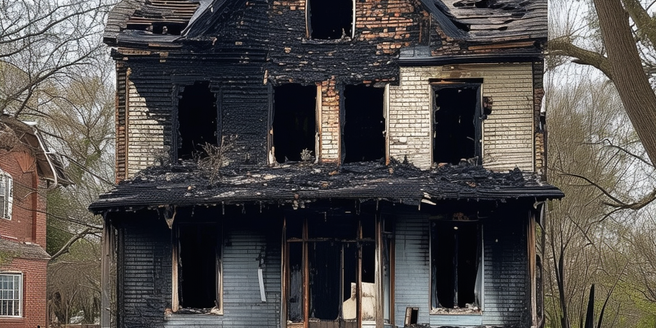
Understanding the Basics of Investment Properties
Investment properties represent a substantial avenue for generating additional income. Unlike other forms of investment, properties are tangible assets that can appreciate over time. Additionally, they offer the potential for both capital growth and yield returns, making them a versatile choice for investors. Obtaining an investment property involves the purchase of a property (residential, commercial, industrial) with the aim of earning returns through rental income, reselling, or both. Exploring the realm of investment properties requires comprehensive knowledge and due diligence. By developing a solid understanding of key concepts including property valuation, ROI, market trends, and renters’ rights, investors can create a successful investment strategy.
Why Choosing Fire-Affected Properties Can Be Beneficial
Often overlooked, fire-affected properties can present a unique investment opportunity. Due to obvious damage, these properties are often priced significantly lower, constituting a cheaper entry point for investment. An extra benefit is that these distressed properties usually have less competition from other buyers. These properties can be renovated and rehabilitated, increasing their value. Another advantage is the potential for negotiating a lower purchase price, due to the initial fire damage. Additionally, such investments can qualify for various tax deductions and rebates, providing financial relief. However, successful investment in fire-affected properties requires thorough expertise and evaluation of damage restoration costs before concluding a purchase.
Risks Associated with Investing in Fire-Damaged Properties
While investments in fire-damaged properties can yield high returns, it does not come without risks. It is essential to note that restoration processes can be lengthy and complex. These risks could severely impact the profitability of the investment. Prospective investors must be cognizant of factors such as the extent of fire damage, rehabilitation costs, insurance issues, and the risk of underlying structural damage. However, these investors also need to consider the potential depreciation of the property’s value due to the stigma of previous damage. Hence, comprehensive inspections by professionals, accurate cost estimations, and comprehensive insurance coverage are crucial aspects of mitigating risks associated with fire-damaged properties.
Case Studies: Success Stories of Fire Property Investments
Case studies showcase the successful investments made in fire-affected properties, acting as educational resources for potential investors. They detail acquisition strategies, including negotiation tactics, market research, and asset evaluation essential for seizing lucrative fire-damaged real estate. Furthermore, they shed light on the rehabilitation process that these properties undergo covering damage assessment, necessary renovations, collaboration with contractors, and acquisition of required permits. These studies also highlight property management tactics that result in profitability: strategic tenant sourcing, maintenance, record-keeping, and consistent regulatory compliance. Not only do these case studies boost investor confidence by offering examples of successful investments, but they also provide a tangible roadmap for replicating these high-profit margins. They underline that careful study and the application of lessons learned from these studies can result in successful investment in this complex market.
How to Evaluate and Purchase Fire-damaged REAL Estate
Evaluating and purchasing a fire-damaged property demands a cautiously strategic approach. Starting with a thorough assessment of the property’s condition, investors should consider factors such as location, the extent of fire damage, potential repair costs, market trends, and projected ROI. Engaging the services of professionals such as real estate agents, building inspectors, and contractors can help paint a realistic picture of the investment and ensure that no hidden damages are overlooked. Additionally, understanding insurance coverage can also be crucial to prevent unexpected expenses related to fire damage repairs. A cost-effective rehabilitation plan that adheres to safety standards is required to make this investment profitable.
Long-Term Strategies for Maximizing Returns from Fire Properties
The utilization of long-term strategies ensures consistent and maximized returns from fire-affected properties. These strategies involve not just buying and holding properties for the long term, but also a variety of tactics that are effective at growing and preserving wealth. This includes careful planning and execution of renovations, effective property management, diligent tenant screening, regular property maintenance, and strategic pricing. In addition to these, it is essential to secure an apt insurance policy that provides ample coverage for potential losses. Further, keeping informed about real estate market trends, and property taxes can enhance the profitability of a fire-affected property. As real estate investment is a long-term game, patience coupled with smart strategies can result in significant profits.