
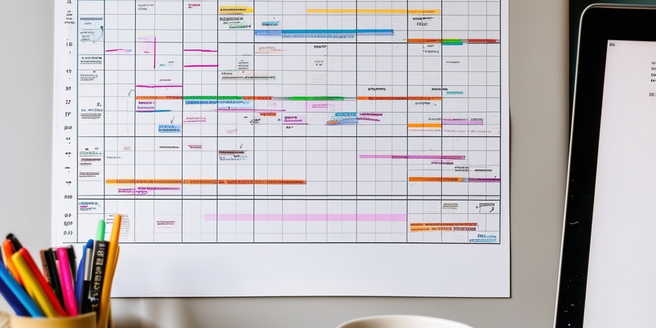
Understanding Your Priorities for the Week
Start by identifying the most important tasks and responsibilities you need to focus on for the week. This involves evaluating your long-term goals and breaking them down into manageable chunks. Additionally, consider the resources and support you may need to achieve these goals. It can be beneficial to list these tasks and review them daily. Use time management techniques like the Pomodoro Timer or the Eisenhower Matrix to stay organized and on track. Prioritize your tasks by considering deadlines, the impact of each task, and your personal and professional objectives. By understanding your priorities, you can allocate your time and energy more effectively, improving both productivity and work-life balance.
Allocating Time for Work and Personal Activities
Balancing work and personal activities is crucial for overall well-being. Start by dedicating specific blocks of time to work-related tasks and ensure that this time is free from personal distractions. Equally important is setting aside time for personal activities and self-care. Taking short breaks throughout the day can also help in maintaining focus and energy levels. This balance not only helps in maintaining productivity but also promotes mental and emotional health. Consistently practicing this balance can reduce stress and enhance your quality of life. Make sure to review and adjust these allocations regularly to match changing priorities.
Incorporating Breaks and Downtime
Regular breaks and downtime are essential for maintaining productivity and preventing burnout. Schedule short breaks between work sessions to stretch, hydrate, or simply rest your mind. It’s important to listen to your body and take a break when you feel fatigued. By taking breaks, you can maintain a higher level of efficiency throughout the day. Longer breaks for meals and leisure activities should also be part of your routine. These intervals help in rejuvenating your mind and body, enhancing focus when you return to your tasks. Make sure your breaks are frequent and consistent to maximize their benefits.
Setting Up Time Blocks for Consistency
Time blocking is an effective technique to ensure consistency and focus throughout your week. Dedicate specific blocks of time for different types of activities, such as focused work, meetings, and personal activities. By clearly defining your priorities, you can ensure that all important tasks are given adequate time. Consider experimenting with the duration and placement of these blocks to find what works best for you. Stick to these blocks as closely as possible to create a routine that minimizes distractions and increases efficiency. Over time, this consistency can improve your ability to manage time and maintain a balanced schedule.
Adjusting Your Schedule as Needed
Flexibility is key to maintaining a balanced weekly schedule. Life is unpredictable, and sometimes adjustments are necessary. It’s also helpful to leave some open slots in your schedule for unforeseen activities. Including some downtime can also prevent burnout. Regularly review your schedule to identify what is working and what isn’t. Be open to making changes to accommodate urgent tasks, unexpected events, or changing priorities. Periodically reassess your obligations to ensure they align with your overall goals. Having a flexible mindset allows you to adapt to new circumstances without feeling overwhelmed, ensuring that your schedule remains effective and manageable.
Tracking Your Progress and Making Improvements
Consistently tracking your progress helps in identifying areas of improvement and celebrating successes. Use tools like planners, apps, or journals to mark your achievements and setbacks. By breaking down your goals into smaller, manageable tasks, you can stay focused and motivated. It is also beneficial to set specific timeframes for each task to gauge your efficiency. Reflect on your performance at the end of each week to understand what worked well and what didn’t. This reflection will guide you in making incremental improvements to your schedule, ultimately leading to a more balanced and productive weekly routine.