
Understanding the Basics of Collectible Assets
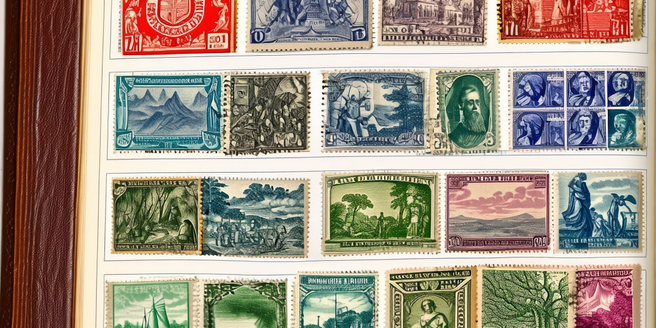
Collectible assets are items that, due to their rarity, demand, and historical significance, acquire value over time. These assets can range from traditional items like coins, stamps, and art to modern collectibles such as sneakers, comic books, and trading cards. The appeal of collectibles lies in their dual benefit of enjoyment and potential financial return. While some collectors seek items for personal satisfaction, others view them as investment opportunities. To make informed decisions, it’s crucial to understand factors like condition, provenance, and market trends. Building foundational knowledge about the category and its market dynamics helps in identifying valuable items and avoiding counterfeits. Understanding collectibles involves delving into their history, the stories they hold, and the community of collectors who keep their interest alive.
Popular Types of Collectible Investments
Collectible investments attract enthusiasts and investors alike due to their diverse nature. Popular types include fine art, rare wines, and vintage cars, known for significant appreciation over time. Comics and trading cards have also captured the spotlight, with iconic issues and rare editions fetching high prices. Numismatics and philately, involving coins and stamps, respectively, appeal to those interested in history and culture. Pop culture memorabilia, such as movie props and sports memorabilia, holds value for fans seeking nostalgia and unique pieces. The market for digital collectibles, including NFTs, has gained traction, offering a blend of art and technology. Understanding these types equips investors with insights into trends and the potential long-term value of their collections.
Assessing the Value of Your Collectibles
Determining the value of collectibles requires a comprehensive approach, considering factors such as rarity, condition, provenance, and demand. Rarity significantly influences value; the fewer available, the more desirable the item. Condition is crucial, as well-maintained pieces command higher prices. Provenance, or the history of ownership, can add value by linking a collectible to notable figures or events. Additionally, limited edition items often carry a premium due to their restricted availability. Market demand fluctuates, impacted by trends and generational shifts in interest. Professional appraisals provide expert opinions, ensuring accurate valuation. Collectors should also research completed sales of similar items to gauge current market prices. Staying informed about evolving market trends and network with fellow collectors can enhance understanding of collectible values.
Strategies for Building a Collection Portfolio
Building a diverse collection portfolio requires strategy, knowledge, and patience. Begin by identifying specific interests or themes, focusing on areas with potential for appreciation. Conduct thorough research to understand the market dynamics of chosen categories. Establish a budget and be prepared to invest in high-quality items that exhibit rarity and historical significance. By taking a thoughtful approach, collectors can maximize the potential for long-term growth. Diversification is key; spreading investments across different categories mitigates risk. Regularly review and reassess the portfolio to align with market trends and personal interests. Participate in auctions, collector forums, and online platforms to discover unique items and network with other enthusiasts. Patience and a willingness to learn from industry experts can significantly contribute to building a valuable collection portfolio.
Tips for Buying and Selling Collectibles
When buying collectibles, research is crucial. Gain knowledge about the item, its history, and current market value to make informed decisions. Authenticity is paramount; ensure items have verified provenance and certifications if applicable. Networking with collectors and dealers can provide insights and opportunities. Patience and diligence in acquiring collectibles can pay off in the long run. Selling collectibles involves understanding market timing to maximize returns—selling during peak demand or when trends favor certain items can be beneficial. Online platforms, auctions, and private sales each offer unique advantages, but bear in mind associated fees and commission rates. Present items professionally, with detailed descriptions and quality photographs to attract buyers. Engage in honest dealings to build a positive reputation within the collector community.