
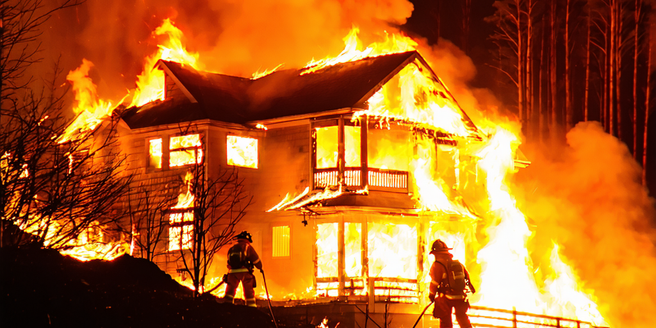
Understanding Fire Insurance and Its Importance
Fire insurance is a crucial component of homeownership, especially in areas prone to wildfires. It provides financial protection against damages caused by fire, safeguarding your home and assets. Understanding fire insurance involves knowing the extent of coverage typically offered, which generally includes damages to the structure, personal belongings, and sometimes additional living expenses in case of a loss. It’s important to review your policy thoroughly, considering factors like the coverage limit and deductible. Evaluating the insurance provider’s financial stability and reputation is equally vital. Furthermore, comprehending what isn’t covered, such as wildfires or other natural events in some cases, is necessary to ensure you have adequate protection. Awareness of these aspects of fire insurance ensures you are prepared for any unforeseen circumstances, providing peace of mind and security for your home and investment.
Assessing Risk Levels in Fire-Prone Areas
Living in a fire-prone area necessitates an understanding of the associated risks. Evaluating the locality’s fire history and susceptibility through local fire department resources or government databases is crucial. Understanding topographical factors, like proximity to forests or grasslands, aids in determining your property’s risk level. Local climate conditions, such as prolonged dry spells and high temperatures, can also elevate fire risks. Community-level measures, like availability of firefighting resources and community safety plans, are essential aspects to consider. Additionally, property-specific factors like building materials, landscape vegetation, and access to evacuation routes significantly influence risk assessments. By thoroughly analyzing these elements, homeowners can make informed decisions about necessary precautions and insurance coverage, ensuring the safeguarding of their property against potential fire threats and enhancing resilience within their community.
Implementing Fire-Resistant Home Improvements
Enhancing your home’s resilience to fire involves implementing fire-resistant home improvements. Key strategies include using non-combustible building materials like metal, brick, or concrete, especially for exterior walls and roofs. Installing fire-retardant windows and doors can prevent fires from entering the home. Creating defensible space by clearing vegetation and using fire-resistant plants reduces the risk of fire spreading to the structure. Regular maintenance, such as removing debris from gutters and roofs, is crucial. Fire-resistant siding and decking materials, like fiber cement or treated wood, provide additional protection. Installing spark arresters on chimneys and vents prevents embers from entering the home. These improvements not only enhance safety but can also lead to discounted insurance rates. By adopting these measures, homeowners significantly reduce their property’s vulnerability to fire, contributing to overall community safety.
Leveraging Smart Technology for Fire Prevention
Incorporating smart technology is a modern approach to fire prevention, offering real-time monitoring and alerts. Smart smoke detectors are integral, providing early detection and sending alerts to smartphones even when you’re not home. Advanced systems integrate with smart home platforms, allowing centralized control and automation. Smart sprinkler systems can detect fires and respond by automatically activating to suppress flames. Utilizing thermal imaging cameras, especially in high-risk zones, can identify fire hazards before they escalate. Smart plugs and outlets that prevent overheating contribute to reducing electrical fire risks. Additionally, integrating AI technology equips these systems with predictive capabilities, enhancing their preventative efficacy. Leveraging these technologies not only enhances household safety but also provides valuable data insights for ongoing risk management. This proactive approach enables homeowners to prevent fires effectively and securely protect their home environment.
Exploring Financial Aid and Incentives for Fire Safety
Homeowners can significantly benefit from exploring financial aid and incentives aimed at promoting fire safety. Several government programs and grants are designed to assist with the costs of implementing fire-prevention measures. For example, incentives may cover expenses related to purchasing firefighting equipment, improving fire-resistant construction, or installing smart fire detection systems. Many insurers offer premium discounts for homes with enhanced fire safety features, rewarding proactive measures. Tax credits may be available for certain fire-proofing expenses, easing the financial burden on homeowners. Additionally, some local communities provide subsidies or low-interest loans specifically aimed at promoting fire safety enhancements. Understanding and utilizing these financial aids not only minimize out-of-pocket expenses but also increase property protection. Homeowners should research available options, ensuring they leverage these opportunities to improve their home’s fire resilience without incurring substantial costs.