
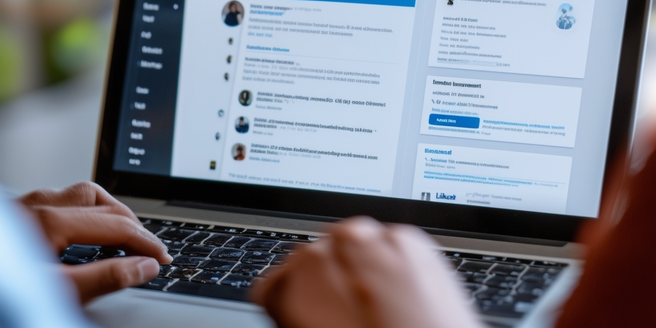
Understanding Online Reputation Management on LinkedIn
LinkedIn, the leading professional networking platform, not only offers a space for managing individuals’ or brands’ online reputations but also serves as a potent tool for carefully curating your image. A well-rounded and meticulous LinkedIn profile can significantly enhance credibility, showcasing your professional history alongside your vision, abilities, and the values upheld by you or your brand. More than just presenting professional expertise, your profile aids in embodying the virtues and values of your brand. The strategic value of LinkedIn lies in maintaining an up-to-date, accessible profile, constantly updated with visible content and a mix of recommendations to enhance your reputation. Fully understanding LinkedIn usage is critical for leveraging this platform for reputation management, making it an invaluable tool for establishing and maintaining a reputable online presence for every professional, brand, or job seeker.
How to Tweak Your LinkedIn Profile for Better Online Presence
Enhancing your LinkedIn presence requires careful modifications to your profile including an appealing photograph, an enticing headline, and a comprehensive description of your work experience. It’s imperative to incorporate industry-specific terms to increase your profile’s visibility. Showcasing your skills and displaying endorsements and recommendations are other key steps in optimizing your LinkedIn profile, adding credibility and enhancing your online reputation. Moreover, sharing relevant and quality content helps maintain an active presence within your network. Implement these strategies to maximize your LinkedIn utility, establishing yourself as an engaged and respected figure within your professional community.
The Role of Posts and activity in Building Your Reputation
The activities you undertake on LinkedIn greatly influence your professional reputation and personal brand. Sharing insightful content like industry insights and thought leadership articles, positions you as an expert in your field. Additionally, a consistent and high-quality posting schedule not only boosts your LinkedIn engagement rates, but also bolsters your professional credibility.
Engaging directly with your network further amplifies the effectiveness of your LinkedIn presence. It not only makes your posts visible to a wider audience but also encourages others to interact with you. Alongside, being involved in discussions on others’ posts exemplifies you as not only knowledgeable, but also collaborative and supportive.
In conclusion, your LinkedIn activity significantly contributes to your reputation. By consistently posting insightful content and actively engaging with your network, you solidify your standing as a respected professional in your industry.
Connecting and Engaging with Your LinkedIn Audience
Building connections and creating relationships with your audience are essential when using LinkedIn. Reaching out intentionally to professionals with similar objectives and joining groups in your interest areas aids in networking with like-minded individuals. Engaging dynamically with users who comment on your posts can foster an environment for continuous engagement, building strong professional relationships along the way.
Consistent and meaningful interaction with your LinkedIn connections will help you establish a dedicated audience and enhance your credibility within your professional circle. Although building online reputations and relationships can be a marathon rather than a sprint, the time and effort invested in authentic engagement on LinkedIn can produce sizeable benefits over time. Use profound engagement and a relational approach to strengthen your position and connection with your audience in the professional world.
Monitoring and Managing Your Reputation on LinkedIn
Maintaining a vigilant approach to your LinkedIn profile and shared content is crucial for efficient reputation management; this involves tracking your content’s performance through analysis of engagement metrics. The level of engagement the content receives serves as a reflection of its reception and provides insight into audience behaviors and preferences, which can enhance future content and reputation upkeep.
A significant aspect of reputation management is your response to comments on your posts; prioritizing timely, professional reactions can prevent potential reputation crises and show you as a responsive, active user. In the case of unfavorable remarks, a balanced, solution-based approach is best, serving to counteract potential conflicts and maintain your professional image.
Regular profile updates reflecting your most recent achievements and roles are key, showing active platform engagement and showcasing professional growth, hence gaining the attention and respect of colleagues and potential employers. Consistency in posting informative, intriguing content is equally critical as feedback monitoring; providing valuable content and ensuring dedicated interaction promotes effective, precise reputation management on LinkedIn.