
Understanding What Drips Are and How They Work
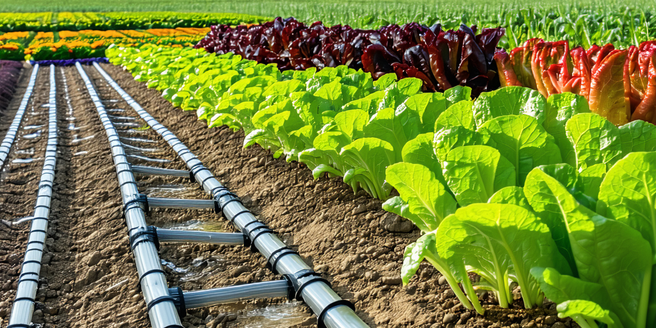
Drip irrigation systems offer a precise and efficient way to water plants by delivering moisture directly to the roots. This system minimizes water waste, promotes healthy plant growth, and can save significant amounts of water compared to traditional irrigation. Drips, or Dividend Reinvestment Plans, leverage the concept of accumulating wealth by allowing investors to reinvest dividends into additional shares rather than receiving cash payouts. Thus, compound growth is achieved as the number of shares owned increases over time. These systems vary in setup but generally consist of tubing that runs throughout the garden, controlled by timers for consistent watering. Drip systems are highly customizable and can be tailored to individual plant needs, making them ideal for gardens, farms, and even urban agriculture.
The Financial Advantages of Investing in Drips
Investing in Dividend Reinvestment Plans (Drips) can be a smart financial strategy. By reinvesting your dividends to purchase additional shares, you effectively harness the power of compounding over time. This strategy not only amplifies your potential returns but also helps in averaging out costs through small, regular investments, which can be particularly beneficial in a fluctuating market. Furthermore, Drips often come with little to no commission fees, making them cost-effective for long-term investors. The simplicity of automatic reinvestment also means investors can effortlessly build wealth. Over time, this strategy multiplies your number of shares, increasing both potential income from dividends and overall investment value, thereby becoming a powerful tool in any investor’s portfolio.
Environmental Benefits of Drip Irrigation Systems
Drip irrigation systems provide numerous environmental advantages. One of the primary benefits is water conservation, achieved by delivering water directly to the plant roots, significantly reducing evaporation and runoff. This efficient method of irrigation ensures that water usage is minimized while maximizing plant health and yield. Additionally, drip systems reduce nutrient leaching in the soil, preventing harmful runoff into surrounding ecosystems. By minimizing water usage, they also contribute to energy savings since less water needs to be pumped. Furthermore, because water is applied slowly and evenly, soil erosion and compaction are minimized, promoting healthier soil structure. Overall, drip irrigation systems support sustainable water use in agriculture, making them an environmentally friendly choice.
How Drip Systems Promote Sustainable Agriculture
Drip irrigation systems are pivotal in promoting sustainable agriculture. They allow for precise watering that caters to the needs of each plant, thus improving water efficiency and crop yields. This method minimizes water waste by targeting the root zone of crops, providing the exact water needed and significantly reducing evaporation loss. As a result, less water resource is required, which is crucial in arid regions or during drought conditions. Additionally, drip irrigation systems can be integrated with fertigation, allowing nutrients to be delivered directly to the plants, improving fertilizer efficiency and reducing runoff. By conserving water and nutrients, drip systems contribute to maintaining soil health and reducing agricultural impacts on the environment, promoting a more sustainable agricultural practice.
Real-Life Examples of Successful Drip Implementations
Real-life examples of successful drip irrigation implementations highlight its effectiveness and versatility. In Israel, where water scarcity is a major concern, drip irrigation has revolutionized agriculture, allowing farmers to cultivate high-value crops with minimal water use. The Kibbutz Hatzerim, for example, transformed arid lands into productive farms through innovative drip systems. In California’s wine country, vineyards utilize drip irrigation to optimize grape production, enhancing quality while conserving water. Similarly, in India, smallholder farms have integrated low-cost drip solutions, significantly improving crop yields and farmer incomes. These examples demonstrate that with strategic planning, drip irrigation can address various agricultural challenges, from water conservation to crop quality enhancement, proving to be a valuable tool for modern agriculture across diverse landscapes.