
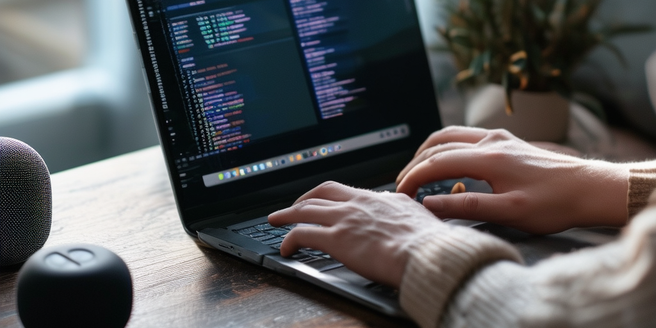
The Role of Technology in Modern Work-Life Balance
Technology plays a crucial role in maintaining work-life balance in the modern world. With tools like video conferencing, project management software, and communication apps, remote work has become more manageable and efficient. These technologies allow employees to stay connected with their teams while also providing the flexibility to manage personal commitments. This flexibility can lead to increased job satisfaction and overall productivity. However, it is important to establish boundaries to prevent work from encroaching into personal time. Turning off notifications after work hours, setting up dedicated workspaces at home, and taking regular breaks can help maintain a healthy balance. By leveraging technology wisely, it is possible to achieve a harmonious relationship between work and personal life.
Digital Tools for Time Management and Productivity
Digital tools can significantly enhance time management and productivity. Apps like Trello, Asana, and Todoist help users organize tasks, set deadlines, and prioritize their work effectively. Additionally, habit-tracking apps can complement these tools by helping users build and maintain productive routines. Calendar applications like Google Calendar and Microsoft Outlook ensure that important meetings and deadlines are not missed. Time-tracking apps such as Toggl and RescueTime provide insights into how time is spent, helping users identify areas for improvement. These tools not only streamline daily activities but also reduce stress by providing a clear overview of tasks and objectives. By integrating these digital tools into daily routines, individuals can optimize their productivity and maintain better control over their time.
Leveraging Apps for Health and Wellness
Health and wellness apps are essential for maintaining physical and mental well-being. Fitness apps like MyFitnessPal and Fitbit track physical activity, nutrition, and sleep patterns, providing personalized recommendations to improve health. Many people find that using these apps helps them stay motivated and consistent in their fitness routines. Meditation apps such as Headspace and Calm offer guided meditation sessions that help reduce stress and anxiety. Mental health platforms like Talkspace and BetterHelp provide access to professional counseling from the comfort of home. By incorporating these apps into daily routines, individuals can make informed decisions about their health and build habits that promote overall wellness. Technology, therefore, serves as a convenient and effective tool for supporting and enhancing personal health goals.
Smart Home Devices to Simplify Daily Tasks
Smart home devices can simplify daily tasks and improve quality of life. Devices like smart thermostats, lighting systems, and security cameras can be controlled remotely via smartphone apps, providing convenience and peace of mind. Additionally, they can be programmed to operate on schedules, further enhancing their utility. Voice-activated assistants such as Amazon Alexa and Google Home perform various functions, from setting reminders to playing music, helping manage daily routines more efficiently. Smart appliances like robot vacuums and smart refrigerators contribute to a more seamless and automated household. By integrating these devices, users can save time and energy, allowing them to focus on more important activities and enjoy a more comfortable living environment.
Finding the Right Tech-life Balance
Achieving the right tech-life balance is crucial for overall well-being. While technology offers numerous benefits, excessive use can lead to burnout and reduced quality of life. Setting boundaries, such as limiting screen time and unplugging during meals, helps maintain a healthy balance. Additionally, it can be beneficial to establish tech-free zones in the home to reinforce these boundaries. Engaging in offline activities like reading, exercising, or spending time with loved ones fosters a more balanced lifestyle. It is also important to prioritize digital detoxes periodically to recharge and reconnect with the physical world. By consciously managing technology use, individuals can enjoy its advantages while ensuring it does not negatively impact their lives. Finding this balance is key to living a fulfilling and harmonious life.