
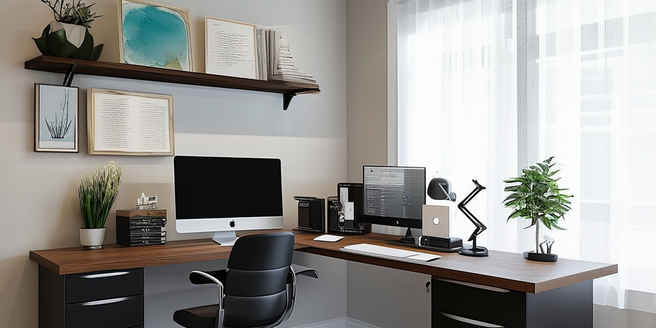
Understanding Ergonomics for Remote Work
In the age of digital revolution, remote work has seen a significant rise. This type of work allows for greater flexibility, but can also present its own set of challenges. In response to this shift, an increased emphasis has been placed on the need for companies to provide support and guidelines on proper ergonomics for remote workspaces. With this trend comes the need to understand and implement proper ergonomics. Ergonomics is the study of people’s efficiency in their working environment. It involves arranging the workplace in a way that reduces the risk of strains, sprains, and other musculoskeletal disorders. It becomes all the more critical for remote workers as they often tend to work in non-traditional workspaces, lacking proper ergonomic setup.
Identifying Potential Ergonomic Challenges at Home
Working from home often introduces ergonomic challenges not usually encountered in an office environment, including improper seating and desk arrangements, unsuitable monitor heights, and inadequate lighting. These issues can manifest in ways such as using a stool instead of a proper office chair, setting up a workspace on a low table, positioning the monitor too high or too low, and struggling to adjust between illuminated screens and dim surroundings. Another concern is the reliance on non-dedicated peripherals, like using a built-in laptop keyboard, which can lead to hand and wrist discomfort and potentially condition such as carpal tunnel syndrome. These conditions increase the risk of developing musculoskeletal disorders such as back pain, carpal tunnel syndrome, and more. As a result, proper work-from-home setups become vitally important for maintaining health and wellbeing.
Tips and Tools to Improve Your Home Workspace
Improving the ergonomics of your home workspace involves evaluating your current setup and making necessary adjustments, such as changing the placement of your furniture and tools for maximum comfort and productivity. Adjustments can range from simple tasks like adjusting the height of your chair or monitor, to using a separate keyboard and mouse instead of those built into your laptop, providing a better interface with your workspace. Remember to take regular breaks to prevent repetitive strain injuries from developing throughout prolonged periods of work.
Ergonomic tools like adjustable desks, chairs, and footrests can dramatically enhance your workspace. Ergonomic chairs improve posture and reduce back and neck pain during long work hours. Adjustable desks offer flexibility in positioning, permitting alternation between standing and sitting for balanced stress. Footrests offer a natural rest position for your feet and legs, which boosts comfort.
Implementing these changes and using these tools can significantly enhance comfort and productivity in your home workspace, while also providing a more enjoyable work-from-home experience. The aim is to balance work needs with personal comfort and health, transforming your workspace into an area that promotes productivity and well-being.
Preventing Injuries and Enhancing Comfort through Ergonomics
Ergonomics plays a crucial role in preventing work-related injuries and ensuring comfortable work practices, decreasing the risk of musculoskeletal disorders (MSDs) and improving productivity, performance, and job satisfaction. Ergonomic changes can range from chair adjustments and computer positioning to regular breaks for movement. For remote workers, it’s essential to create a workspace that mirrors a typical office setting, balancing home comfort and work requirements to effectively minimize physical stresses. This approach lowers the chances of work-related health issues, leading to more productive work hours and a healthier lifestyle overall.
Case Studies: Implementing Ergonomics in Remote Work Environments
Many businesses have seen successful results from implementing ergonomic practices tailored for their remote workforce, such as XYZ Corporation. Believing in the connection between comfort and efficiency, they provided both ergonomic training and equipment to remote workers to ensure comfort while increasing productivity rates. The reduction in employee discomfort and simultaneous increase in output showed the effectiveness of these practices in boosting performance and satisfaction. Thus, it’s imperative for organizations, regardless of size or industry, to invest in ergonomics proactively, considering the increasing shift towards remote work. It’s not merely about creating comfortable workspaces; it’s an essential business strategy contributing to the overall success, demonstrating the high returns businesses can achieve, including financial benefits and improved employee wellbeing. Ergonomics is an investment not only in employee health but also in the overall growth of the organization.