
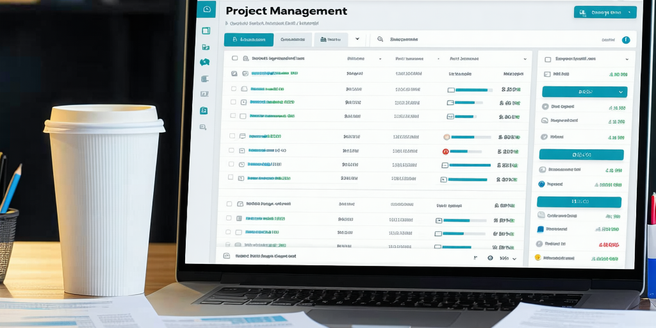
Understanding Project Scope Definition
Defining the project scope is a critical early step in project management. It involves determining and documenting a list of specific project goals, deliverables, tasks, costs, and deadlines. The scope encapsulates every aspect of a project, thus providing a clear framework that guides the entire project team. It helps project managers allocate resources effectively, foresee potential constraints, and establish the best course of action. A well-defined scope can help prevent scope creep, which often arises from inadequate initial planning or changes not captured in the original plan. Stakeholders play a crucial role in shaping the scope definition, ensuring that the project meets all requirements and delivers expected outcomes. Engaging in this careful planning ensures that the project progresses smoothly.
Key Elements of Scope Management
Scope management encompasses several fundamental elements crucial to project success. Initially, requirements gathering and analysis form the basis of shaping the project scope. These requirements help identify project deliverables and guide planning. Deliverables definition follows, describing the tangible or intangible products, services, or results that need to be produced. Creating a Work Breakdown Structure (WBS) provides a visual representation of the project’s structure, making tasks more manageable. Clear acceptance criteria ensure stakeholders understand the standards deliverables must meet. Moreover, a defined scope statement serves as a reference point, detailing all boundaries and constraints to keep the project aligned with its objectives. Effective scope management requires continuous monitoring and communication among all parties involved.
Steps for Effective Scope Planning
Effective scope planning requires a strategic process that ensures all project objectives are clearly outlined. The first step involves gathering comprehensive project requirements and expectations through stakeholder interviews and workshops. Next, defining clear project objectives and deliverables helps create a solid framework. Developing a Work Breakdown Structure (WBS) divides the project into actionable tasks, providing clarity and organization. Establishing clear acceptance criteria ensures that all stakeholders agree on the quality and scope of deliverables. Scope planning also involves risk management to identify potential obstacles and plan mitigation strategies. Furthermore, documentation should be updated regularly, reflecting any changes or updates in the project scope. Through these steps, project managers can ensure that the project remains focused and that deliverables meet expectations.
Tools for Scope Documentation
Effective scope documentation is fundamental for successful project management, entailing the need for precise tools. Among these, Work Breakdown Structures (WBS) serve as vital instruments. They divide the project into manageable segments, providing clarity regarding tasks and deliverables. Requirements management tools like JIRA facilitate tracking changes and maintaining a record of evolving project needs. Additionally, Gantt charts serve as visual aids, offering timelines and helping to monitor project progress in relation to the scope. Documentation software, such as Microsoft Project or Trello, assists in compiling and sharing scope records among stakeholders, ensuring everyone is well-informed. Using these tools promotes transparency and communication, enabling project teams to effectively manage scope and maintain alignment with initial expectations. With the right tools, managing scope becomes a structured, organized process.
Techniques to Control Scope Changes
Controlling scope changes is vital to maintain project focus and avoid budget overruns or schedule delays. One effective technique is implementing a formal change management process. This involves documenting every proposed change, assessing its impact, and securing approvals before implementation. Regular scope reviews and audits ensure that any deviations are promptly identified and addressed. Clearly defined Change Control Boards (CCBs) can also support decision-making processes by including essential stakeholders who evaluate potential changes. Continuous communication with the project team and stakeholders reduces misunderstandings, ensuring everyone is on the same page. Additionally, maintaining a robust baseline budget and schedule helps in comparing project performance against the original plan, allowing corrective measures to be taken as needed. These techniques help in maintaining control over project scope.
Best Practices for Scope Validation
Scope validation is a pivotal process in project management, ensuring that deliverables meet the agreed-upon standards and requirements. Establishing clear and concise acceptance criteria from the outset facilitates smoother validation processes. Involving stakeholders throughout the project lifecycle allows for continuous feedback and ensures the project remains aligned with their expectations. Conducting regular meetings to review progress and validate interim deliverables minimizes the risk of errors and rework. Engaging third-party quality assurance teams can provide unbiased assessments of project deliverables, further enhancing reliability. Moreover, employing automated testing tools where applicable can expedite verification and improve accuracy. Documentation plays a crucial role in validation, with records of all communications and agreements providing transparency and accountability. These best practices create a robust framework for validating scope efficiently and effectively.