
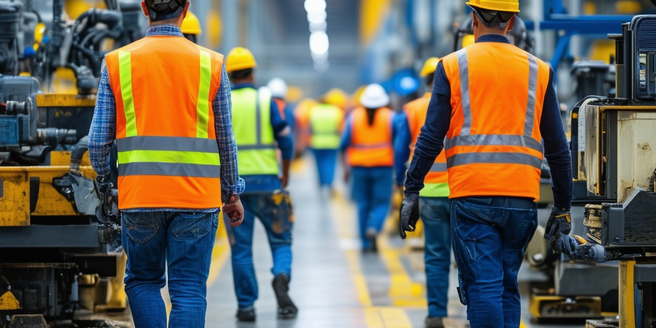
Understanding Common Workplace Hazards
Identifying common workplace hazards is the first step in preventing injuries. These hazards can include physical risks such as slippery floors, electrical dangers, and ergonomics issues. By conducting regular risk assessments, employers can pinpoint potential dangers and implement corrective measures. Also, encouraging employees to report any observed hazards immediately can aid in faster resolution. Additionally, fostering a culture of safety can significantly reduce the likelihood of accidents. Regular safety drills can be an effective way to reinforce training and preparedness. Awareness and proper training can help employees recognize these hazards and take appropriate action to avoid them. Management should prioritize open communication about safety concerns. Implementing safety protocols and providing necessary protective equipment are also crucial in mitigating these risks.
Implementing Safety Training Programs
Safety training programs are essential for educating employees about workplace hazards and safe practices. These programs should cover the specific risks associated with the job and provide practical guidance on how to handle emergencies. They also foster a culture of safety that benefits everyone in the workplace. Regular training sessions ensure that employees stay up-to-date with the latest safety procedures. Management must also regularly review and update these training programs to address new hazards and industry standards. Ensuring that the training material is relevant and engaging can make a significant difference in its effectiveness. Interactive training methods, such as hands-on demonstrations and role-playing scenarios, can enhance understanding and retention of safety protocols. An informed workforce is a key element in preventing occupational injuries.
Maintaining Proper Equipment and Tools
Ensuring that all equipment and tools are in good working condition is vital for workplace safety. Regular maintenance checks and timely repairs help prevent accidents caused by faulty equipment. Employees should be trained on the correct usage of tools and machinery to avoid misuse. Furthermore, keeping detailed records of maintenance activities can help identify recurring issues. Additionally, having the right tools for the job reduces the likelihood of injuries. Designating a safety officer to oversee equipment checks can further enhance safety protocols. Routine safety drills and training sessions can also reinforce the importance of equipment safety. Investing in high-quality equipment that meets safety standards is a worthwhile measure to protect workers and maintain a safe working environment.
Promoting a Culture of Safety
A strong culture of safety prioritizes the well-being of employees and encourages safe behavior at all levels of the organization. Leadership commitment to safety sets the tone for the entire workforce. Open communication channels allow employees to report hazards and near-misses without fear of retribution. Furthermore, creating an environment where continuous improvement is encouraged can lead to innovative safety solutions. Additionally, management should regularly review and update safety policies to address emerging risks. Regular safety training sessions can further enhance employees’ awareness and preparedness. Recognition and rewards for safe practices can motivate employees to adhere to safety protocols. Establishing a safety committee and involving employees in safety planning fosters a sense of ownership and collective responsibility for workplace safety.
Regularly Reviewing and Updating Safety Protocols
Workplace safety is an ongoing process that requires constant vigilance. Regular review and update of safety protocols ensure they remain effective and relevant. Changes in workplace conditions, new equipment, and evolving industry standards necessitate periodic reassessment of safety measures. Management should also create a culture that promotes safety and encourages employees to speak up about concerns. Continuous employee training is also essential to keep everyone prepared. Gathering feedback from employees can provide valuable insights into practical safety improvements. Staying informed about legal requirements and best practices helps maintain compliance and enhance overall safety. A proactive approach to safety management can prevent injuries and save lives. It is important to regularly communicate safety updates and reminders to all staff.