
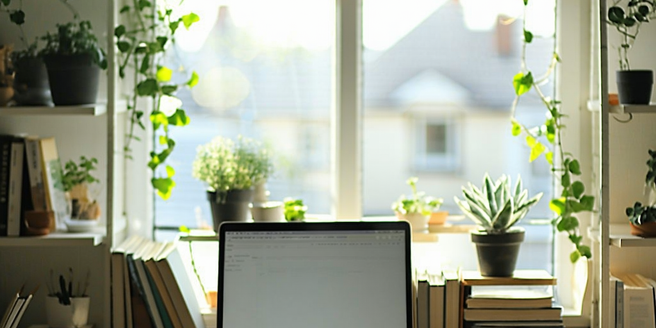
Introduction to Work-Life Balance Challenges
Achieving work-life balance is a multifaceted challenge many individuals face today. Modern lifestyles often dictate long working hours, leaving little room for personal time or rest. This imbalance can lead to stress, burnout, and a diminished quality of life. Work-life balance involves effectively managing professional responsibilities while ensuring personal well-being and satisfaction. Factors such as increased workload, lack of control over work schedules, and the pressure to be constantly available add to these challenges. Addressing work-life balance is crucial for overall health and improved productivity. Individuals are vying for more room for self-care, family time, and hobbies. Understanding these challenges helps in designing effective strategies and tools that support balanced living, ultimately improving one’s sense of fulfillment and longevity in both personal and professional arenas.
The Role of Technology in Managing Time
Technology plays a pivotal role in managing time effectively, making it easier to strike a balance between work commitments and personal life. With digital tools designed to streamline scheduling, set reminders, and prioritize tasks, individuals can gain more control over their daily routines. Productivity apps and online calendars enable people to allocate time efficiently, reducing the chaos of last-minute deadlines and work overflow. Moreover, communication platforms facilitate seamless interaction, minimizing the need for prolonged meetings and allowing more room for personal activities. By offering solutions that automate mundane tasks, technology aids in freeing up time that can be redirected towards more meaningful engagements. Embracing these technological advances not only enhances efficiency but also contributes to reducing stress, empowering individuals to achieve a harmonious work-life balance.
Top Apps for Scheduling and Time Management
Several top-rated apps are designed to help individuals better manage their time and maintain a balanced lifestyle. Apps like Trello and Asana allow users to create task boards and track project progress efficiently. Google Calendar and Microsoft Outlook offer robust scheduling features, enabling synchronization across multiple devices to ensure appointments and tasks are never missed. For those seeking minimalist but effective solutions, Todoist provides simple task lists with priority settings and deadlines. RescueTime gives users insights into their daily activity patterns, helping identify time-wasting habits and areas for improvement. Forest encourages users to stay focused by growing virtual trees during periods of productivity. These apps not only increase efficiency but also advocate time awareness, helping individuals allocate their hours wisely between professional duties and personal pursuits.
Tools for Reducing Workplace Stress
Reducing workplace stress is imperative for sustaining a healthy work-life balance, and several tools are designed specifically to address this issue. Meditation and mindfulness apps like Headspace and Calm offer guided sessions that can be seamlessly integrated into one’s daily routine, promoting mental well-being. Stress management becomes more manageable with apps such as Moodfit, which tracks mood patterns to identify stress triggers. Platforms like Slack or Microsoft Teams help streamline communication, minimizing the frequency of stressful, real-time interruptions. Noise-canceling apps are also beneficial, allowing employees to create a tranquil workspace despite environmental distractions. Additionally, ergonomic assessment tools suggest workspace adjustments to alleviate physical strain. By harnessing these resources, individuals can mitigate stress levels, making work environments more conducive to productivity and mental health.
Integrating Work and Personal Life Efficiently
Efficient integration of work and personal life is essential for achieving a well-rounded existence. Strategies and tools that foster flexibility and organization play a crucial role in ensuring these realms coexist harmoniously. Flexible work schedules facilitated by remote work tools empower employees to adjust their work hours, allowing for personal activities without compromising professional commitments. Utilizing digital planners and smart home devices helps in coordinating daily tasks and errands efficiently. Establishing boundaries through communication tools lets individuals separate work from personal time, promoting mental clarity. Moreover, prioritizing tasks ensures that work pressures don’t intrude on personal wellbeing. These practices and tools emphasize the importance of adaptability, allowing individuals to navigate the complexities of modern work-life dynamics, ensuring fulfillment and reduced stress.
Evaluating the Effectiveness of These Solutions
Evaluating the effectiveness of work-life balance solutions involves assessing both qualitative and quantitative outcomes. Success can be measured through increased productivity, mental well-being enhancements, and sustained work satisfaction. Feedback from users of scheduling and stress-reducing apps can provide insights into their real-world applicability and benefits. Regularly reviewing personal schedules to ensure alignment with priorities can indicate if time management tools are effective. Furthermore, analyzing the impact on stress levels through surveys or self-assessment methods can reveal the extent to which these solutions alleviate workplace pressure. Understanding user experiences and challenges allows for the refinement of tools and strategies, making them more adaptive to diverse needs. As individuals navigate these solutions, continual evaluation helps optimize their effectiveness, fostering a more balanced and fulfilling personal and professional life.